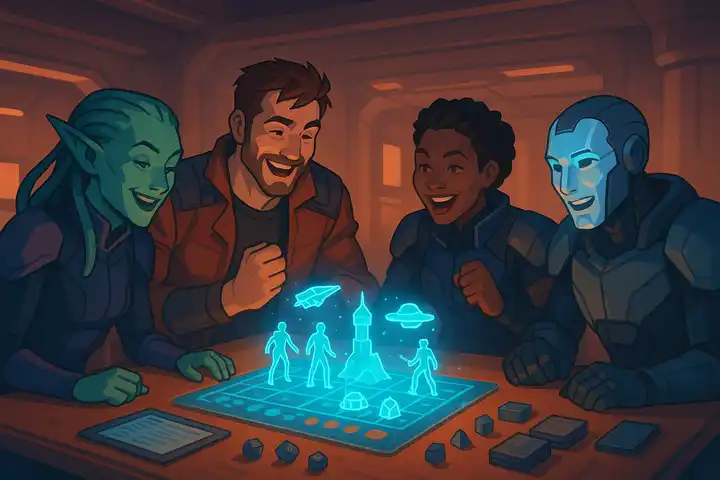
Starfinder homebrew groups let you create custom adventures, characters, and rules with others who love the game. Instead of following official storylines, these groups build their own worlds and gameplay, offering a more personal and engaging experience.
Here’s how to get started:
- Find groups: Look on Paizo Forums, Discord, Reddit, Roll20, or local game stores.
- Pick the right fit: Check the group’s themes, playstyle, schedule, and rules.
- Introduce yourself: Share your experience, interests, and availability.
- Join and engage: Follow rules, participate actively, and collaborate with others.
Platforms like Discord are great for real-time interaction, while Roll20 and Fantasy Grounds combine gameplay tools with group discovery. Whether you’re a beginner or experienced, there’s a group out there for you. Start your search today and dive into a Starfinder adventure tailored to your style.
Where to Find Starfinder Homebrew Communities

If you're diving into the world of Starfinder homebrew, finding the right community is key. Thankfully, there are plenty of online spaces where players and GMs come together to share custom content and unique campaigns. Here’s where you can start your search.
Paizo Forums and Official Starfinder Resources

The Paizo Forums are a go-to destination for everything Starfinder. These forums are packed with discussions, advice, and resources for players and GMs alike. In particular, the "Online Campaigns" section, with its "Recruitment" subforum, is a hotspot for homebrew groups. Whether you're interested in play-by-post games or virtual sessions, you'll often find GMs posting opportunities here. Beyond recruitment, the forums are a treasure trove of insights into rules, campaign ideas, and homebrew mechanics. If you're new to Starfinder, this is a great place to soak up knowledge and connect with experienced players.
Discord, Reddit, and Virtual Tabletop Platforms

Discord has become a central hub for Starfinder enthusiasts. The official Starfinder Discord server is a great starting point, offering dedicated channels for recruitment and discussions. Additionally, many podcast communities and local game stores run their own Discord servers, creating smaller, close-knit groups that organize both online and in-person events.
On Reddit, the r/Starfinder_RPG subreddit is an active space where players share homebrew content and post "Looking for Group" announcements. With its search features and regular posts, it’s a helpful platform for finding a group that matches your play style and availability.
Virtual tabletop platforms like Roll20 and Fantasy Grounds also have forums where GMs advertise Starfinder campaigns. These platforms are particularly handy for remote players, offering integrated tools to streamline gameplay.
TTRPG Games Directory and Local Game Stores

The TTRPG Games Directory is another resource worth exploring. While its primary purpose is to help players evaluate different game systems, it offers valuable context about Starfinder’s mechanics and themes. Organized by categories like Science Fiction and Space Opera, the directory provides detailed descriptions that can help you understand what makes Starfinder stand out. Plus, its weekly newsletter often highlights new games and events, which might lead you to the perfect homebrew group.
Don’t overlook your local game stores either. Many host Starfinder events and campaigns, including homebrew ones. Check their bulletin boards, talk to staff, or join their online communities to connect with nearby players. These in-person connections can often lead to long-lasting gaming groups.
How to Join a Starfinder Homebrew Group
Once you've figured out where to look for Starfinder homebrew communities, the next step is getting involved. Joining a group can vary depending on the platform or community, but there are some key steps you can follow to make the process smoother. Here's how to find a group that matches your play style and join successfully.
Research Communities That Match Your Interests
Start by digging into the details of the group's recruitment post or description. This helps ensure the group aligns with your expectations and avoids any mismatches later on.
Look for information about the campaign's tone and themes. Some groups focus on deep, story-driven roleplay, while others lean toward casual, combat-heavy sessions. Pay attention to any content warnings or themes mentioned, as homebrew campaigns often explore topics that may not appear in official Starfinder adventures.
Check the session schedule and time zone to make sure it fits your availability. This is especially important for groups in different regions.
Consider the experience level the group is looking for. Some homebrew groups are beginner-friendly and welcome new players, while others may expect you to be familiar with Starfinder mechanics or have experience with homebrew rules. If you're just starting out, look for groups that specifically mention they're open to newcomers.
Finally, review any house rules or homebrew mechanics the group uses. Knowing these in advance helps you decide if their style of play suits you.
Once you’ve found a group that feels like a good match, it’s time to introduce yourself.
Write Your Introduction
Most Starfinder homebrew groups ask new members to post an introduction or fill out an application. This is your chance to make a strong first impression.
Keep your introduction brief but informative. Share your experience with Starfinder or tabletop RPGs in general. If you’re new to Starfinder but have played other systems, mention that - it shows you're familiar with roleplaying concepts.
Explain your preferred playstyle to give the Game Master a sense of what you enjoy most. Are you into tactical combat, deep character roleplay, or exploring mysterious settings? Let them know.
Be clear about your availability and time zone. List the days and times that work best for you and mention any regular conflicts.
Show genuine interest in the campaign by highlighting what drew you to it. Did the setting catch your eye? Are there specific mechanics or themes you're excited about? This helps demonstrate your enthusiasm.
If you have any relevant skills, such as experience as a Game Master or familiarity with virtual tabletop platforms, mention them briefly. These can make you stand out as a valuable addition to the group.
Some groups may include specific questions in their recruitment posts. Make sure to answer these thoughtfully and directly.
Complete the Group's Signup Process
Each platform and group may have different procedures for joining, so follow their instructions carefully.
On platforms like Warhorn, you’ll often need to click a "Request to Join" button and wait for the Game Master's approval before registering for games.
For Discord-based groups, you might start by posting your introduction in a recruitment channel. Afterward, the Game Master may ask you to fill out a character sheet, answer additional questions, or agree to the server's guidelines.
Some groups use Google Forms or signup sheets to collect player information. Make sure to complete these forms accurately - missing details can hurt your chances of being selected.
If the group uses virtual tabletop platforms like Foundry VTT, you may need to create an account and share your username with the Game Master.
Once you’ve submitted your application, expect the Game Master to review it. They may have follow-up questions about your availability, character ideas, or experience. Respond promptly and professionally to these inquiries.
Some groups also hold a trial session or Session Zero before making a final commitment. This gives you a chance to meet the other players, discuss expectations, and collaborate on character creation.
After you're accepted, confirm your attendance for the first session right away. Add it to your calendar and set reminders so you don’t forget. If something comes up and you can’t make it, let the Game Master know as soon as possible.
Once you're officially part of the group, you'll likely receive campaign materials like setting details, house rules, and session schedules. Review these thoroughly before your first session and ask questions if anything isn’t clear.
How to Participate in Homebrew Communities
Joining a Starfinder homebrew group is just the beginning. To truly immerse yourself and contribute meaningfully, active and respectful participation is key. Here’s how you can make the most of your experience while fostering a positive atmosphere.
Follow Community Rules
Every homebrew community has its own set of rules, designed to protect creativity and ensure a respectful environment. Adhering to these guidelines is crucial.
Start by familiarizing yourself with the rules. On platforms like Discord, you’ll often find a dedicated rules channel, while forums like Paizo include guidelines in FAQs or pinned posts. These rules typically cover aspects like respecting others’ ideas, avoiding plagiarism, and maintaining polite communication. Some groups may also have specific requirements, such as crediting sources for adapted content or including warnings for mature themes.
Pay special attention to intellectual property rules. If you’re sharing homebrew content inspired by someone else’s work, always give credit to the original creator. This applies across all platforms, whether it’s Discord, Paizo Forums, or elsewhere. Overlooking this can harm your reputation and might even result in removal from the group.
It’s also helpful to understand the group’s moderation structure. Know who the moderators are and how to contact them if you have questions or encounter issues. If you’re unsure about a rule, ask before posting. Mistakes happen, but owning up to them quickly and respectfully can earn you credibility within the community.
Share Ideas and Collaborate
Once you’ve got a handle on the rules, focus on contributing to the group. Homebrew communities thrive when members share ideas and work together to expand on them.
If you’re new to homebrewing, start small. You don’t need to create an entire campaign setting right away. Share something manageable, like a custom item, a character concept, or a house rule you’re testing. This not only helps you ease into the group but also allows you to get a feel for the feedback process.
When sharing your creations, provide context. Explain the inspiration behind your idea, its purpose, and how it fits into Starfinder’s mechanics. This makes it easier for others to understand your vision and offer constructive feedback.
Speaking of feedback, be thoughtful when reviewing others’ work. Instead of just pointing out flaws, offer suggestions for improvement. For example, rather than saying, "This doesn’t work", you could suggest, "Maybe tweak this ability to balance gameplay better." Acknowledge the effort that went into the creation and frame your feedback as helpful advice, not criticism.
Many communities host themed contests or events where members create content around specific ideas. These are excellent opportunities to challenge yourself, learn, and connect with others in the group.
If you’re struggling with aspects of homebrew design, don’t hesitate to seek guidance. Experienced members are often happy to mentor newcomers who show genuine interest and respect for the craft. And when you use someone else’s content in your game, share your experiences with them. Letting creators know what worked and what didn’t fosters a feedback loop that benefits everyone.
Finally, be open to others adapting or remixing your ideas. Seeing your content inspire someone else’s creativity is a compliment and a testament to the collaborative spirit of these communities.
Communicate Clearly With Your Group
Good communication is the backbone of collaboration. Staying engaged and clear in your interactions ensures a smooth experience for everyone.
Stick to the group’s preferred communication channels. If your Game Master uses Discord for scheduling and discussions, avoid messaging them on other platforms for important updates. Keeping everything in one place reduces the risk of missed information.
Respond to messages promptly, especially when it comes to scheduling or campaign decisions. If you can’t make a session, let your Game Master know as soon as possible so they can adjust plans.
Don’t hesitate to ask questions if you’re unsure about rules, campaign details, or your character’s options. Clarifying things upfront is always better than making assumptions that could disrupt the game. Many Game Masters appreciate players who seek clarity.
It’s also a good idea to establish response time expectations early on. Some groups are okay with delayed replies, while others expect quicker responses. Knowing these norms helps everyone stay on the same page.
During gameplay, clearly describe your character’s actions, especially in combat or roleplay-heavy moments. This helps the Game Master and other players understand your intentions and respond effectively.
If your availability changes, keep the group informed. Life happens, and most groups understand that schedules can shift. What matters is communicating those changes so the Game Master can plan accordingly.
When disagreements arise - whether about rules, character choices, or campaign direction - address them directly and respectfully. Use "I" statements like, "I feel unsure about this rule", to express concerns without putting others on the defensive.
Participate in Session Zero discussions and regular check-ins. These meetings help align expectations, refine house rules, and ensure everyone is enjoying the experience. By contributing to these conversations and showing appreciation for others’ efforts, you’ll build strong relationships that make your homebrew journey even more rewarding.
Platform Comparison for Starfinder Homebrew Groups
Picking the right platform can make or break your Starfinder homebrew experience. Each platform offers distinct advantages, and understanding these differences can help you find the community that matches your playstyle. Here's a breakdown of how these platforms compare in terms of real-time interaction, structure, and ease of use.
Discord: Real-Time Connection
If you’re looking for fast-paced engagement, Discord is the go-to choice. Communities like Roll for Combat and Cosmic Crittermanders thrive here, offering active discussions, quick feedback, and seamless game coordination. The platform’s immediacy makes it ideal for real-time communication, but moderation varies by server. Some servers maintain strict guidelines with active moderators, while others take a more relaxed approach. This means you might need to explore a few servers before finding one that fits your vibe.
Paizo Forums: Structured and Official
For those who prefer a more organized environment, the Paizo Forums provide a structured space for Starfinder discussions. As the official hub for the game, the forums offer recruitment threads and access to official resources, all backed by consistent moderation. However, the trade-off is a slower pace - homebrew activity levels are lower compared to Discord, and response times can lag. If you value thoughtful, structured conversations over rapid exchanges, this platform might suit you best.
Reddit: Balance Between Reach and Depth
Reddit's r/StarfinderRPG strikes a balance between broad community access and meaningful discussions. With community-driven moderation, the subreddit fosters a mix of homebrew ideas and general game talk. Regular recruitment threads make it easy to find groups, but the lack of real-time interaction means conversations unfold at a slower pace. It’s a great place to gather advice and inspiration, but it won’t replace the immediacy of a Discord chat.
Roll20: Integration Meets Gameplay

Roll20 stands out for its integration of group discovery with gameplay tools. For example, in January 2025, a recruitment ad appeared for a Starfinder homebrew campaign seeking 1–2 players for biweekly sessions. The GM detailed the campaign’s exploration-heavy focus and laid out clear expectations. This kind of integration makes Roll20 appealing for players who want everything - from group finding to gameplay - in one place. However, the platform prioritizes gameplay over community features, so social interaction may feel limited.
Fantasy Grounds: Tools for Complex Homebrew

Similar to Roll20, Fantasy Grounds offers integrated tools but leans heavily into handling complex homebrew mechanics. In February 2025, its forums hosted a recruitment post for a Starfinder 2E homebrew group, emphasizing strategic combat and immersive storytelling. While the platform excels at managing detailed rule modifications, its smaller community and steeper learning curve can be intimidating for newcomers. If you’re experienced and looking to dive deep into custom mechanics, Fantasy Grounds is worth considering.
Platform Comparison Table
| Platform | Accessibility | Activity Level | Moderation | Ease of Use | Best For |
|---|---|---|---|---|---|
| Discord | High | Very High | Varies by server | High | Real-time communication and immediate feedback |
| High | High | Community-driven, effective | High | Group discovery and broad community reach | |
| Paizo Forums | High | Moderate | Consistently strong | Moderate | Official resources and structured discussions |
| Roll20 | High | High | Moderate | High | Integrated gameplay and group discovery |
| Fantasy Grounds | High | Moderate | Moderate | Moderate | Complex homebrew mechanics and robust tools |
When deciding, think about what matters most to you. Discord is perfect for instant communication and an active community. Paizo Forums cater to those who value structure and official resources. Reddit offers a middle ground with broad reach and slower-paced discussions. For integrated tools, Roll20 and Fantasy Grounds provide a one-stop solution, though they may lack the lively community feel of other platforms.
If you’re just getting started, consider trying multiple platforms at once. Join a Discord server for quick answers, browse Reddit for recruitment threads, and explore Roll20 for active games. This approach not only increases your chances of finding the right group but also gives you a feel for each platform’s unique culture. Once you’ve narrowed it down, focus on the platform that aligns with your campaign’s needs and priorities.
Conclusion
Joining a Starfinder homebrew group is an exciting way to dive into creative campaigns, engage in collaborative storytelling, and connect with a passionate community. The journey begins by knowing where to search - whether that's the Paizo Forums, Discord servers, Reddit's r/StarfinderRPG, or virtual tabletop platforms. Casting a wide net increases your chances of finding a group that feels like the perfect fit.
Once you've identified promising groups, the process is simple: take the time to research those that align with your interests, introduce yourself thoughtfully, and follow their signup process. Active involvement not only helps you integrate into the group but also builds trust, turning you from a newcomer into a valued participant.
Beyond just playing the game, being part of a homebrew group allows you to sharpen your role-playing skills, gain a deeper understanding of Starfinder’s mechanics, and form lasting friendships with other players across the country. It’s not just about finding a group - it’s about opening the door to richer role-playing experiences.
If you're curious about exploring other tabletop RPGs alongside Starfinder, the TTRPG Games Directory at https://ttrpg-games.com is an excellent resource. It offers detailed insights into game mechanics, themes, and features across various genres, helping you find games that match your style - whether you’re drawn to tactical combat, deep storytelling, or character-driven adventures.
Thanks to the rise of virtual tabletops and Discord, connecting with homebrew groups has never been easier. These tools break down geographic barriers, allowing players to unite and create personalized gameplay experiences that transform standard campaigns into one-of-a-kind stories shaped by everyone involved. Ready to dive in? Your next adventure is just around the corner.
FAQs
What are the advantages of joining a Starfinder homebrew group instead of playing official campaigns?
Joining a Starfinder homebrew group opens the door to a whole new level of tabletop role-playing. These groups offer a chance to dive into custom-made stories, settings, and rules that reflect the collective imagination of the Game Master (GM) and players. This kind of collaboration makes every session feel more personal and engaging, pulling you deeper into the game’s universe.
One of the standout perks is the chance to experience original content that goes far beyond the official campaigns. Homebrew groups bring in fresh ideas, surprising challenges, and plot twists you’d never see coming. This keeps the gameplay unpredictable and exciting. Plus, being part of a homebrew group isn’t just about the game - it’s about building a close-knit community. Working together to craft a shared world and story creates a unique bond and a truly collaborative atmosphere.
How can I find a Starfinder homebrew group that matches my playstyle and experience?
To find a Starfinder homebrew group that matches your interests, start by pinpointing what excites you most about tabletop RPGs. Are you drawn to strategic combat, rich storytelling, or crafting complex characters? Understanding your preferences will make it easier to connect with groups that share your approach to the game.
When reaching out to potential groups, ask about their style, tone, and expectations. Be open about your own experience and playstyle - it helps both you and the group decide if it's a good fit. Most groups are open to players of all experience levels, but honest communication is essential to creating a fun and enjoyable experience for everyone.
What challenges do new members face when joining a Starfinder homebrew group, and how can they handle them?
Joining a Starfinder homebrew group can be a thrilling adventure, but it’s not uncommon for new members to encounter a few bumps along the way. Things like figuring out the group’s vibe, getting a handle on custom homebrew rules, and navigating communication with other players can feel a bit overwhelming at first. The good news? These challenges are totally manageable with the right mindset.
Start by getting familiar with the group’s specific rules and expectations. Most groups will have some kind of guide or document to help you understand how they operate, so take the time to read through it carefully. If something doesn’t make sense, don’t hesitate to ask questions - most players are happy to help clarify. Beyond that, focus on building good relationships with your group. Show respect, listen to others, and participate in conversations in a positive way. A little patience and a genuine willingness to learn can make all the difference in creating a fun and collaborative experience for everyone involved.


